
Fire has fascinated humanity since the earliest days of civilization. Beyond its practical uses for warmth, cooking, and protection, fire has always carried deep spiritual meaning. Across cultures and religions, it is viewed as a powerful symbol connected to purification, transformation, divine presence, and spiritual awakening. The symbolism of fire appears repeatedly in religious teachings and rituals, showing how this natural element reflects important spiritual ideas shared by many traditions.
In spiritual contexts, fire is more than just a physical force. It represents a connection between the human and the divine, illuminating the path toward wisdom and inner transformation. Because of its ability to both create and destroy, fire has become a universal symbol for change and renewal.
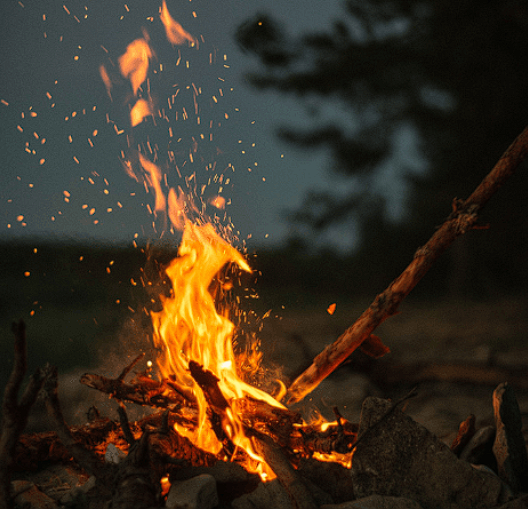
Fire as a Universal Spiritual Symbol
Fire holds powerful symbolic meaning in many religions around the world. In spiritual traditions, it often represents purification, transformation, and divine energy. Different cultures interpret fire in unique ways, but the central idea remains similar. Fire can burn away impurities and illuminate truth, making it a meaningful symbol in religious teachings and rituals.
The symbolism of fire reflects the human journey toward spiritual growth. Just as fire transforms materials through heat, spiritual teachings describe how individuals can transform their inner lives through awareness, discipline, and devotion. Fire’s light also symbolizes wisdom, guiding people through darkness toward clarity and understanding.
Because of these qualities, many religious traditions use fire in ceremonies, prayers, and sacred rituals.
Fire in Hindu Spiritual Traditions
In Hinduism, fire is considered sacred and plays an essential role in religious ceremonies. Rituals such as Homa or Yajna involve offering materials into a sacred fire as part of worship. These offerings are believed to purify the environment and carry prayers to the divine.
The Hindu god Agni is regarded as the deity of fire and acts as a mediator between humans and the gods. Through sacred fire rituals, worshippers communicate their intentions and devotion. Fire therefore becomes a channel that connects the earthly world with the divine realm.
In many Hindu ceremonies, including weddings and festivals, fire symbolizes purity and commitment. The sacred flame represents divine witness and spiritual protection. These traditions demonstrate how the symbolism of fire represents both purification and spiritual connection.
Fire in Christianity
In Christianity, fire symbolizes the presence and power of God. One of the most important examples is the descent of the Holy Spirit during Pentecost, when the apostles experienced tongues of fire resting upon them. This event symbolizes divine inspiration, spiritual transformation, and empowerment.
Another well known example appears in the story of Moses and the burning bush. In this story, the bush was engulfed in flames yet was not consumed. The fire represented the presence of God and served as a moment of divine revelation.
Through these examples, fire symbolizes spiritual renewal, purification, and divine communication within Christian teachings.
Fire in Judaism
Judaism also places strong spiritual meaning on fire. The story of Moses encountering the burning bush is a central moment in Jewish scripture. The flame represented the presence of God and marked a powerful moment of revelation and guidance.
In Jewish religious spaces, an eternal flame is often kept burning in synagogues. This flame symbolizes the ongoing presence of God and serves as a reminder of faith and spiritual devotion.
Lighting candles during religious observances such as the Sabbath or Hanukkah further reflects the spiritual importance of fire. These traditions emphasize how flames can represent hope, guidance, and divine presence.
Fire in Islam and Sufi Traditions
In Islamic teachings, fire appears in the Quran and is often associated with accountability and divine justice. It is sometimes used to represent punishment for wrongdoing in the afterlife. At the same time, fire also symbolizes purification and spiritual awareness.
In Sufi spiritual traditions, fire takes on a more symbolic meaning. It often represents the passionate love of the seeker for the divine. Sufi poetry frequently describes spiritual devotion as a burning flame within the heart.
This perspective shows how the symbolism of fire can represent intense spiritual longing and the deep desire to unite with the divine.
Fire in Zoroastrianism
Zoroastrianism, one of the oldest religions in the world, places exceptional importance on fire. Sacred fire temples maintain continuously burning flames that symbolize divine purity and truth.
For followers of this tradition, fire represents wisdom, righteousness, and the eternal presence of divine light. Worshippers treat these sacred flames with deep respect and care.
Because of this central role, fire becomes a visible symbol of spiritual truth and moral clarity in Zoroastrian belief.
Fire in Indigenous and African Spiritual Traditions
In many Indigenous traditions, fire plays a crucial role in spiritual ceremonies. Native American rituals often use fire in healing ceremonies, sweat lodges, and sacred gatherings. In these practices, fire symbolizes warmth, illumination, and connection with spiritual forces.
Similarly, many traditional African religions view fire as a powerful symbol of vitality and life force. Fire is often used in rituals to purify sacred spaces and communicate with ancestors. These ceremonies strengthen the bond between communities, their spiritual heritage, and the natural world.
Fire in Buddhist Thought
In Buddhism, fire is frequently associated with transformation and purification. Some traditions describe an “inner fire” that represents enlightenment and spiritual awakening. Through meditation and self awareness, individuals can awaken this inner light and move toward wisdom and liberation.
The transformative power of fire mirrors the Buddhist path of personal growth. Just as fire changes what it touches, spiritual practice changes the mind and helps individuals overcome ignorance.
Final Thoughts
Across different religions and spiritual traditions, fire continues to hold profound symbolic meaning. It represents purification, divine presence, transformation, and the illumination of truth.
The symbolism of fire reminds us that spiritual growth often involves change. Just as fire transforms materials through heat and light, spiritual understanding transforms the human mind and heart.
Although traditions may differ in their rituals and beliefs, the message carried by fire remains remarkably similar. It reflects humanity’s ongoing search for meaning, connection, and enlightenment.
In every culture where fire burns in sacred spaces or spiritual ceremonies, it serves as a reminder of the divine spark within each individual and the potential for inner transformation.
No responses yet